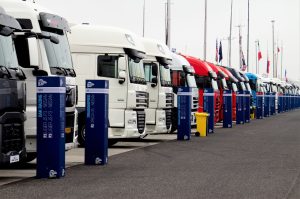
Truck fleet investment is critical to road freight capacity. Road freight serves as the “bloodstream” connecting factories, warehouses, and seaports throughout the supply chain. Many transport companies in Vietnam have been expanding their fleets with medium-duty, heavy-duty, and high-capacity tractor trucks to serve diverse needs – from domestic cargo movement to connections with import-export ports.
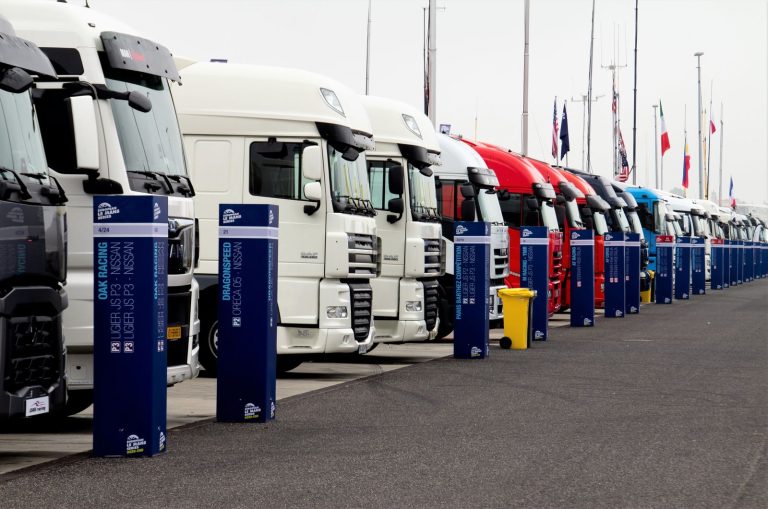
Why Does Choosing the Right Road Freight Vehicles Matter?
A fleet invested in the right type of vehicle — matched to load capacity, terrain, and travel distance — significantly reduces long-term operating costs through fuel savings and lower maintenance and repair frequency. This is a factor road freight companies need to weigh carefully when scaling up, rather than focusing solely on upfront investment cost.
According to Wikipedia’s entry on semi-trailer trucks, choosing the right tractor and trailer type for the specific cargo (bulk goods, containers, oversized loads) directly affects fuel efficiency and safety on long-haul routes.
An After-Sales Network Matters Just as Much in Road Freight
Beyond vehicle quality, a wide network of service and warranty stations reduces vehicle downtime — a factor that directly affects delivery schedules. Given the nature of long-haul transport, a fleet backed by strong maintenance support minimizes the risk of delays from mechanical breakdowns on the road.
What Do Import-Export Businesses Gain?
When transport partners invest methodically in their fleets, import-export businesses using Road Freight services benefit directly: more reliable delivery schedules, more competitive road freight costs thanks to better fuel efficiency, and reduced risk of cargo damage in transit. This is also a key factor in keeping road freight costs stable amid a fluctuating transport labor market.
How International Shippers Evaluate a Partner’s Truck Fleet
Foreign manufacturers and retailers sourcing from Vietnam often ask logistics partners detailed questions about their truck fleet before signing a contract: how many vehicles are available for peak season, what is the average vehicle age, and are GPS tracking or temperature-controlled options available for sensitive cargo. These questions help buyers judge whether a provider’s fleet can reliably support their shipping volumes.
A modern, well-maintained truck fleet also reduces the risk of shipment delays caused by breakdowns, which can be costly for international buyers working on tight production or retail schedules. Providers who invest in fleet renewal and preventive maintenance programs typically offer more predictable transit times for both domestic distribution and port-to-factory moves.
Frequently Asked Questions About Truck Fleet Investment
Why does truck fleet age matter for shipping reliability? Older vehicles break down more often and cost more to maintain, which increases the risk of missed delivery windows — a critical concern for time-sensitive international shipments.
Does Connect Global operate its own truck fleet? Connect Global works through a carefully selected network of road transport partners with modern vehicle fleets suited to different cargo types, from standard containers to oversized and temperature-sensitive loads.
Can a modern truck fleet reduce road freight costs? Yes — newer, well-matched vehicles improve fuel efficiency and reduce maintenance downtime, both of which help keep road freight costs more stable over time.
How often should a logistics provider replace its fleet? Most operators plan vehicle renewal on a 5-8 year cycle, balancing depreciation costs against the higher fuel efficiency and lower breakdown risk of newer trucks.
Through a carefully selected network of road transport partners, Connect Global ensures every shipment — domestic or cross-border — travels via the vehicle best suited to its specific cargo characteristics. Contact our consulting team for a detailed quote.