Coastal logistics is on the verge of a breakthrough as Vietnam holds a major advantage in marine economy, with 21 of its 34 provinces and cities bordering the sea. To better tap into this potential, several recent policy proposals aim to build special incentive mechanisms for coastal logistics infrastructure and coastal urban development projects — including corporate income tax incentives, reduced sea-area usage fees, and sea-area lease terms extended up to 70 years for certain project types.
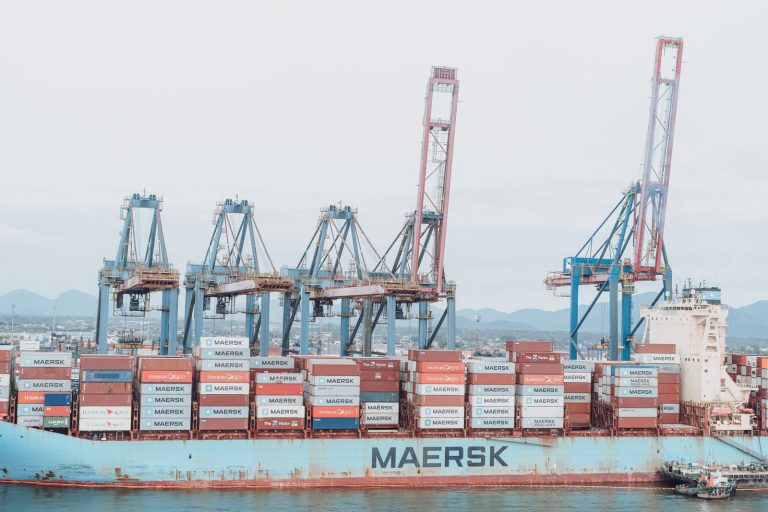
Three Groups of Coastal Logistics Projects Targeted
The proposals focus on three groups of activities: “green” projects such as offshore wind power and low-emission logistics; new urban development and business models at sea; and activities directly supporting the broader marine economy, including coastal port and warehousing services.
Why Does This Coastal Logistics Policy Matter?
Businesses operating at sea are heavily affected by weather — in practice, many operators can only run stably for around 7 to 7.5 months a year due to storms and monsoon winds. Additional financial incentives and longer sea-area usage terms will give infrastructure investors in coastal ports and warehousing greater confidence to commit long-term capital — indirectly improving the capacity and quality of coastal logistics services serving import-export trade.
According to Wikipedia’s entry on the Blue Economy, the sustainable development of ocean-based economic activities — including logistics, renewable energy, and aquaculture — is becoming a global trend, and Vietnam, with more than 3,200 km of coastline, has significant room to participate in this trend.
Operational Reality: The Cost Equation for Coastal Businesses
A real-world example illustrates the current level of difficulty: many marine technical service companies have recorded prolonged losses due to high operating costs combined with seasonally limited operating windows. This is precisely why business associations have recommended additional special incentive mechanisms, rather than applying the same policy framework used for onshore projects to coastal logistics projects.
How Do Import-Export Businesses Benefit?
As coastal port and logistics infrastructure receives more systematic investment, import-export businesses will benefit indirectly through: more competitive handling and storage costs, shorter customs clearance times thanks to synchronized infrastructure, and more port/route options instead of relying on a handful of major hubs. This trend is also driving large-capacity port expansion projects in key regions.
These are changes that import-export businesses need to track closely, as they directly affect optimal port and route selection in the years ahead. The Connect Global team stays current on the latest coastal logistics policies to advise on the most cost-effective routes and Sea Freight solutions for each customer shipment. Contact our consulting team for detailed support.
What Foreign Investors Should Know About Vietnam’s Coastal Logistics Incentives
International port operators and logistics investors evaluating projects along Vietnam’s coastline should track how these incentive mechanisms apply to foreign-invested enterprises, since eligibility criteria and tax holiday periods can vary between provinces implementing the new framework. Confirming these details early helps avoid delays when structuring a joint venture or wholly foreign-owned project.
For multinational shippers, the practical impact shows up in port fees and transit reliability rather than the incentive structure itself. As more capital flows into upgrading facilities along the coast, businesses routing cargo through Vietnam can expect gradually shorter dwell times and more competitive handling rates compared with older, undercapitalized terminals.
Frequently Asked Questions About Coastal Logistics Incentives
Which provinces are eligible for the new incentives? The proposals currently target coastal provinces and cities among Vietnam’s 21 coastal administrative areas, with final eligibility depending on each province’s implementation of the policy.
How long do the sea-area lease term extensions last? Certain project types qualify for sea-area lease terms extended up to 70 years, longer than standard onshore industrial land leases.
Does Connect Global help clients navigate these incentives? Yes — Connect Global tracks coastal logistics policy changes to advise clients on cost-effective routing and port selection as new capacity comes online.